Putting Learning Sciences to Work for Access, Innovation, and Mastery
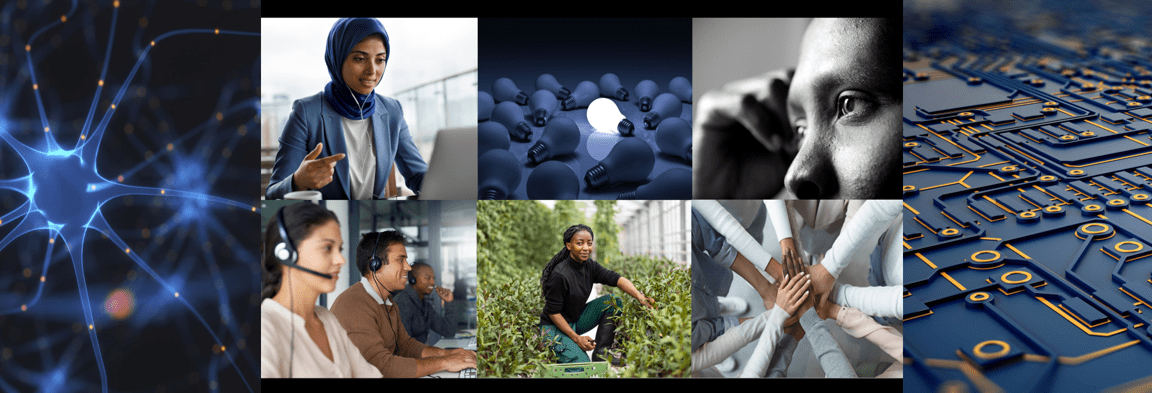
The Next Level Lab, based at the Harvard Graduate School of Education, brings together expertise in cognitive science, neuroscience, the learning sciences and innovative learning design and technology to address emerging and urgent issues in K-12 education, workforce development, and lifelong learning.
The Next Level Lab engages in the following activities:
- Mining existing research of promise that can improve learning and performance.
- Researching questions with the potential for high leverage impact.
- Translating research findings to help the world use research on learning and the mind.
- Innovating in the space of technology and learning to develop new visions for what is possible in developing human potential.
Our Latest Work
-
Making Space for Everyday Awe: A Workplace Reflection Tool
As the end of the year approaches, many of us find ourselves looking for ways to slow down and reflect on what matters. Often, opportunities for reflection in the context of our personal lives are built into seasonal traditions or rituals, but finding ways to engage in this sort of contemplative practice about work can…Continue…
-
Certificate in Workplace Learning Applications Now Open
Drawing on years of research in cognitive science, neuroscience, and learning design, our team at the Next Level Lab has developed a new professional certificate course to run in the 2026 Spring Semester – Six Evidence-Based Shifts for the Future of Workplace Learning: Designing for Better Learning and Work Performance. Participants will explore how to move:…Continue…
-
Seven Insights for Unlocking The Power of Learning Transfer In Workforce Development
In today’s rapidly changing workplace, the ability to transfer what we have learned or to apply existing knowledge and skills in new roles or contexts has become increasingly critical. Workers today are likely to hold multiple roles throughout their careers, often encountering unfamiliar tasks and role disruptions that require them to be adaptable. Yet traditional…Continue…